AI and WebRTC: The Future of Communication
WebRTC and AI are starting to work together, and the result is a new era of communication that's faster, clearer, and more personal. A look at how the two technologies combine, what they unlock for businesses and consumers, and where they're headed next.
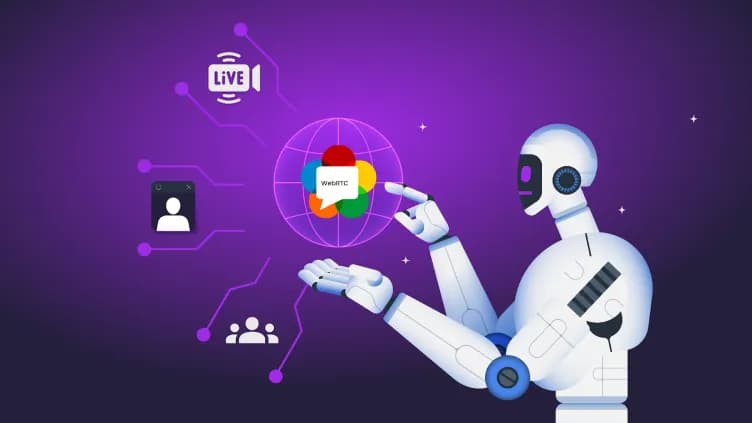
In today's fast-moving world, technology is transforming the way we interact with each other. WebRTC and Artificial Intelligence (AI) are two of the most interesting technological developments, and they're starting to work together, bringing about a new era of communication that's faster, more efficient, and more personalised. That intersection, real-time media plus applied AI, is where most new product features are being built. Let's dive into how AI and WebRTC are changing the way we communicate, and what it means for both businesses and individuals.
What Are AI and WebRTC?
Artificial Intelligence (AI)
AI is all about creating machines that can perform tasks usually requiring human intelligence, understanding and responding to speech, making decisions, learning from experience. AI is already making a big impact through technologies like virtual assistants, chatbots, and recommendation systems. These tools help us in many ways, from finding information quickly to getting assistance in real time.
WebRTC (Web Real-Time Communication)
WebRTC is a technology that enables direct communication between web browsers or mobile apps without the need for additional plugins. It supports audio, video, and data sharing in real time, meaning you can have high-quality video calls and instant data transfers directly through your browser or app. WebRTC is praised for its low latency and clear communication, making it a fundamental component of modern internet communication.
How WebRTC Is Improved by AI
When AI and WebRTC are combined, the results are powerful and transformative:
- 1
Improved communication quality: AI can significantly improve the quality of WebRTC communications. Advanced algorithms enhance audio and video clarity, reducing background noise, removing echoes, and adjusting video quality based on network conditions. Even if your internet connection isn't perfect, your calls will still be clear and smooth.
- 2
Real-time transcription and translation: One of the most exciting advancements is AI's ability to provide real-time transcription and translation. AI-driven speech recognition can convert spoken words into text during a call, while natural language processing (NLP) translates those words into different languages, particularly useful for breaking down language barriers between people from different parts of the world.
- 3
Personalised user experiences: AI can learn from user behaviour and preferences to create a more personalised communication experience. It can suggest ideal settings for video calls based on past preferences, customise the user interface, and even recommend content you might find interesting during your interactions, making the experience more enjoyable and efficient.
- 4
Improved security: Security is a major concern in any communication system, and AI plays a crucial role in enhancing WebRTC's security. AI algorithms can monitor communication channels for unusual or suspicious activities and potential threats, detecting and responding to security breaches in real time, helping protect sensitive information and keep your communications private.
The Impact on Businesses and Consumers
The integration of AI and WebRTC offers multiple benefits for both businesses and individuals:
For businesses: Companies can boost customer service by combining WebRTC with AI. AI-powered chatbots provide instant responses to inquiries, while automated systems offer support and guidance during interactions. Businesses can also leverage these technologies to facilitate better collaboration among remote teams, leading to higher productivity and more efficient workflows.
For consumers: Individuals will experience more engaging and interactive communication. Features like real-time language translation and personalised settings make conversations more accessible and enjoyable. Whether you're talking to a friend across the globe or joining a virtual meeting, AI and WebRTC work together to make your communication smoother and more effective.
The Impact of AI and WebRTC on Medical Health
Combining AI and WebRTC is changing healthcare in exciting ways. WebRTC lets patients have video calls with doctors from home, while AI helps doctors make better diagnoses and create personalised treatment plans. Together, they allow for real-time health monitoring and quick feedback, making remote care more effective. The teamwork also smooths out hospital operations and helps doctors learn and collaborate better. Overall, AI and WebRTC make healthcare more accessible, accurate, and efficient.
What's Coming Up Next?
As AI and WebRTC continue to evolve, we can expect even more exciting developments. The combination of these technologies is likely to bring new features that make communication more intuitive, secure, and accessible. Staying updated on these advancements will help both businesses and individuals make the most of AI and WebRTC in their communication strategies.
Conclusion
The collaboration of AI and WebRTC is setting the stage for a new era in communication. By combining AI's advanced capabilities with WebRTC's real-time communication features, we are seeing a transformation that improves the clarity, security, and personalisation of our interactions. As these technologies advance, they will play a crucial role in shaping the future of how we connect and communicate. For a look at how we ship applied-AI features into a real product, see the Finden case study.
- AI
- WebRTC
- Real-Time Communication
- Future of Communication
- Machine Learning
Related articles
How WebRTC Protocols Work Together For Real-Time Communication
Six protocols quietly cooperate every time you make a WebRTC call, finding a path through firewalls, encrypting the stream, and keeping audio and video in sync. A plain-language tour of how ICE, STUN, TURN, SRTP, DTLS, and RTP fit together.
5 min read
AI Role in E-commerce: How Artificial Intelligence Plays an Important Role in E-commerce
Let's explore how AI is making a big difference in the world of e-commerce, from personalised recommendations and smarter customer service to inventory, security, and the experience of shopping online itself.
6 min read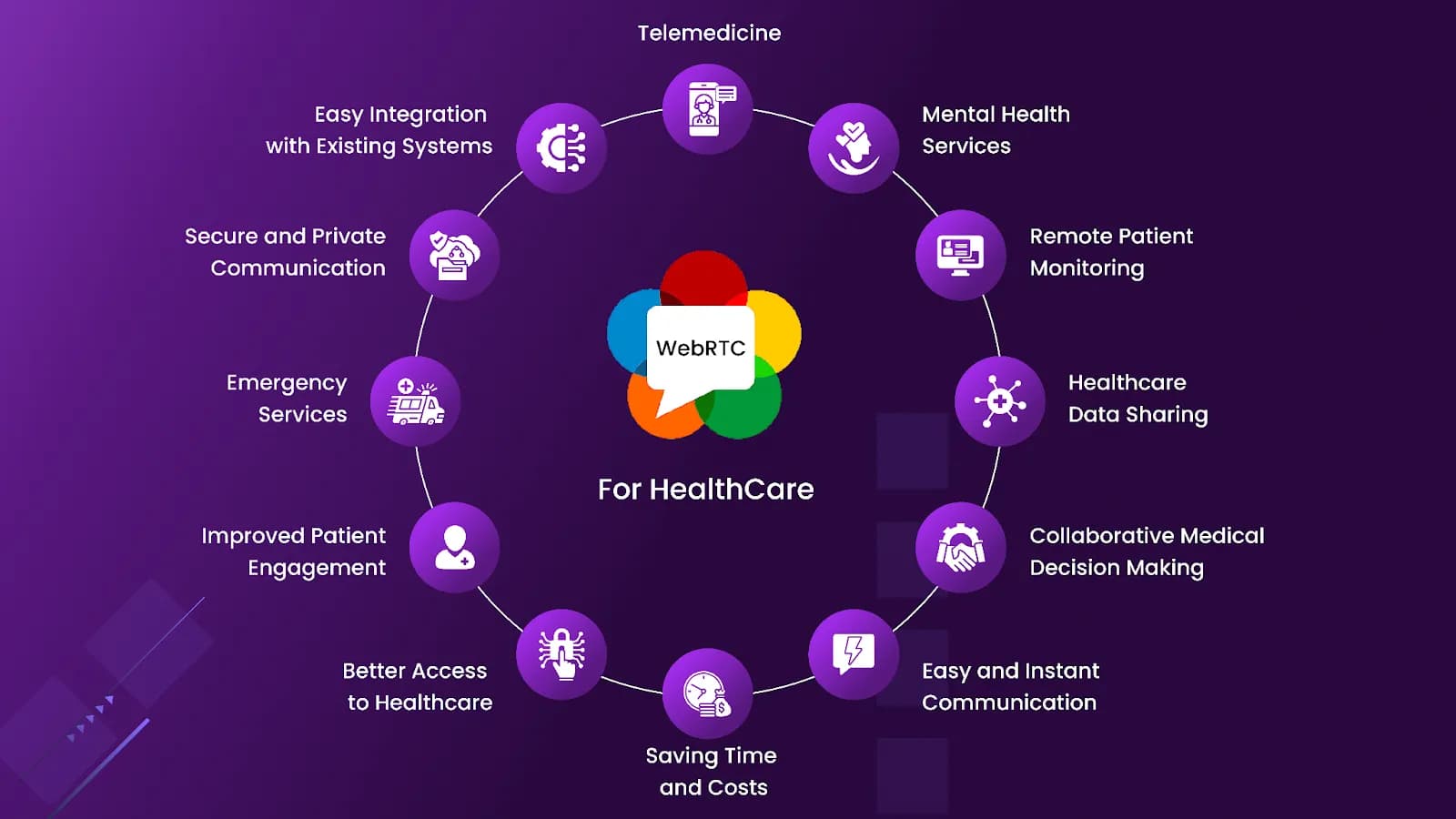
What are the Benefits of WebRTC Services for the Healthcare Domain?
Technology is changing healthcare, and WebRTC is a key part of the shift, virtual visits, remote monitoring, and secure collaboration straight from the browser. A look at how the protocol is reshaping patient care and medical services.
7 min read