What are the Benefits of WebRTC Services for the Healthcare Domain?
Technology is changing healthcare, and WebRTC is a key part of the shift, virtual visits, remote monitoring, and secure collaboration straight from the browser. A look at how the protocol is reshaping patient care and medical services.
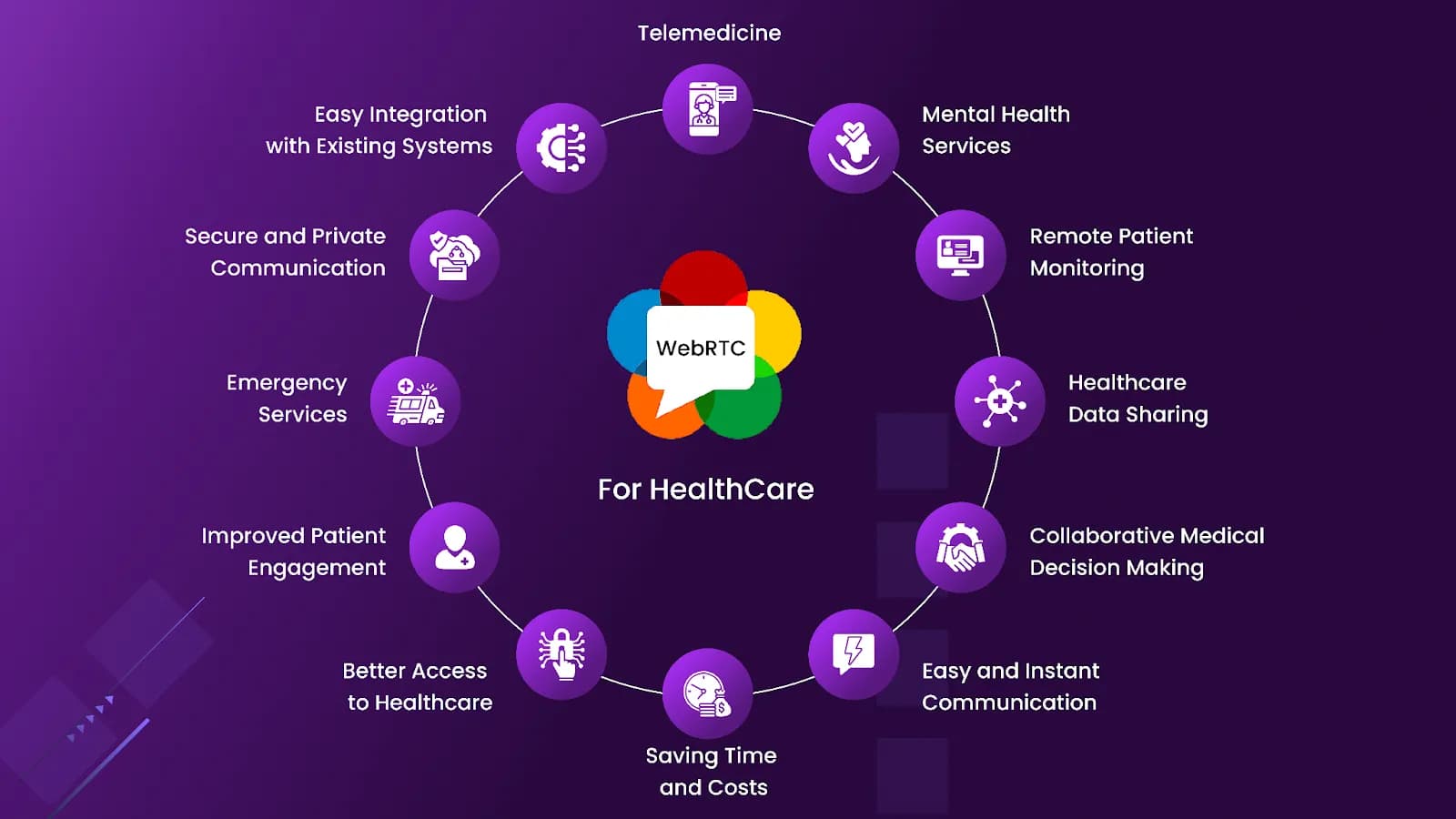
Technology is changing healthcare, and WebRTC (Web Real-Time Communication) is a key part of this shift. It allows you to have video and audio calls straight from your web browser without needing extra apps. That means virtual doctor visits, remote health updates, and smoother collaboration across care teams. WebRTC is making healthcare simpler, more convenient, and more efficient for everyone involved, especially when it's paired with AI-assisted clinical workflows. Let's see how this technology is making a positive impact on patient care and medical services.
What is WebRTC? WebRTC stands for Web Real-Time Communication. It's a technology that allows video and audio communication directly through your web browser, without needing extra software. Imagine talking to a doctor or nurse over a video call right from your computer or phone.
WebRTC in Telemedicine
One of the biggest benefits of WebRTC is its role in telemedicine, receiving medical care from a distance, using technology. WebRTC makes this possible by integrating real-time video and audio calls between patients and healthcare providers. You can have a virtual visit with your doctor, discuss symptoms, and receive treatment recommendations all from the comfort of your home. The convenience is especially valuable for people who cannot easily visit a clinic.
Telemedicine growth: Telemedicine is becoming popular because it helps doctors and patients talk through video calls over the Internet. That makes it easier for people to get medical help, even if they live far away from a hospital.
Challenges in telemedicine: Many telemedicine systems have problems. They can be too specialised for one task, need extra software, be expensive, or be based on private (non-open-source) platforms.
WebRTC solution: WebRTC is a free technology that works in web browsers like Google Chrome and Firefox. It allows video and voice chats without needing extra software.
Extra features: The system also lets doctors and patients send files back and forth and use a shared whiteboard to draw or write together during the call.
Tests and results: We tested the system in two ways, a regular video call between a doctor and a patient, and a call with a special medical device with a camera. Both tests showed that WebRTC works well for telemedicine and is easy to use.
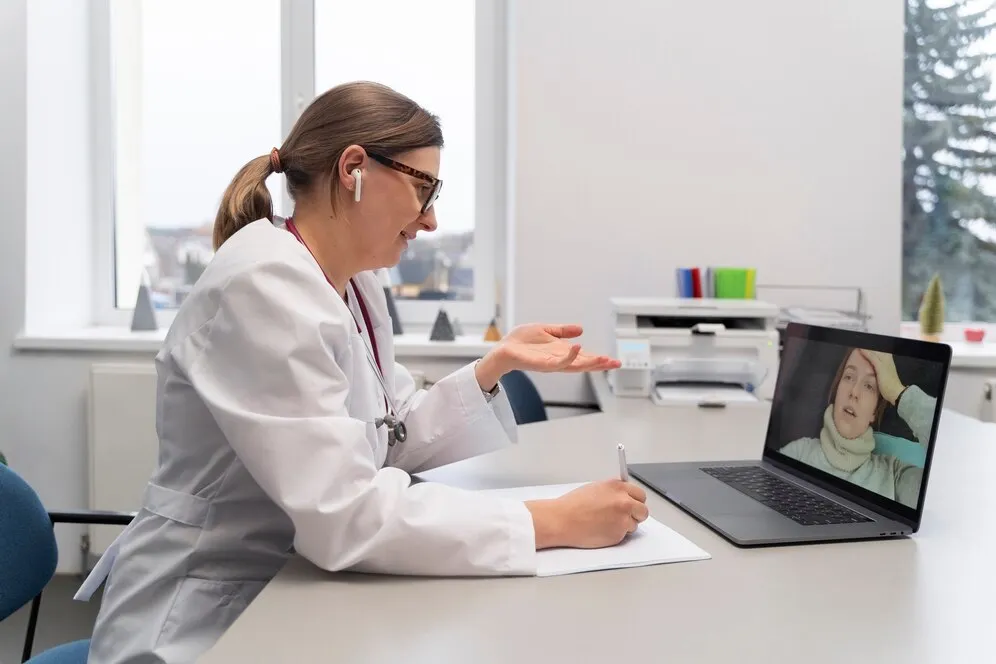
WebRTC in Mental Health Services
WebRTC makes getting mental health support easier and more private. You can have video calls with your therapist or counsellor from home, without needing to travel or wait in long lines. The technology ensures your conversations are secure and confidential, making it simpler to get the help you need when you need it. WebRTC removes barriers to mental health care, so support is quick, comfortable, and accessible.
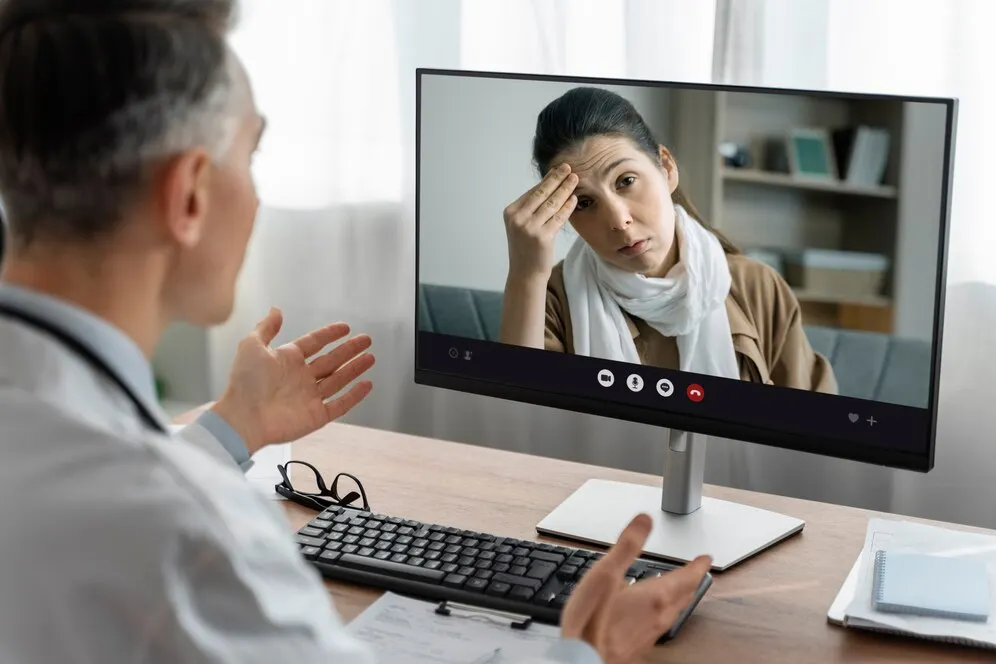
WebRTC in Remote Patient Monitoring
WebRTC also plays an important role in remote patient monitoring, tracking a patient's health data from a distance. Healthcare providers can use video calls to check on patients, review data, and provide feedback in real time. A doctor can monitor a patient's recovery after surgery by reviewing data sent from wearable devices and discussing it through a video call, ensuring patients receive timely care and support even when they are not physically in the clinic.
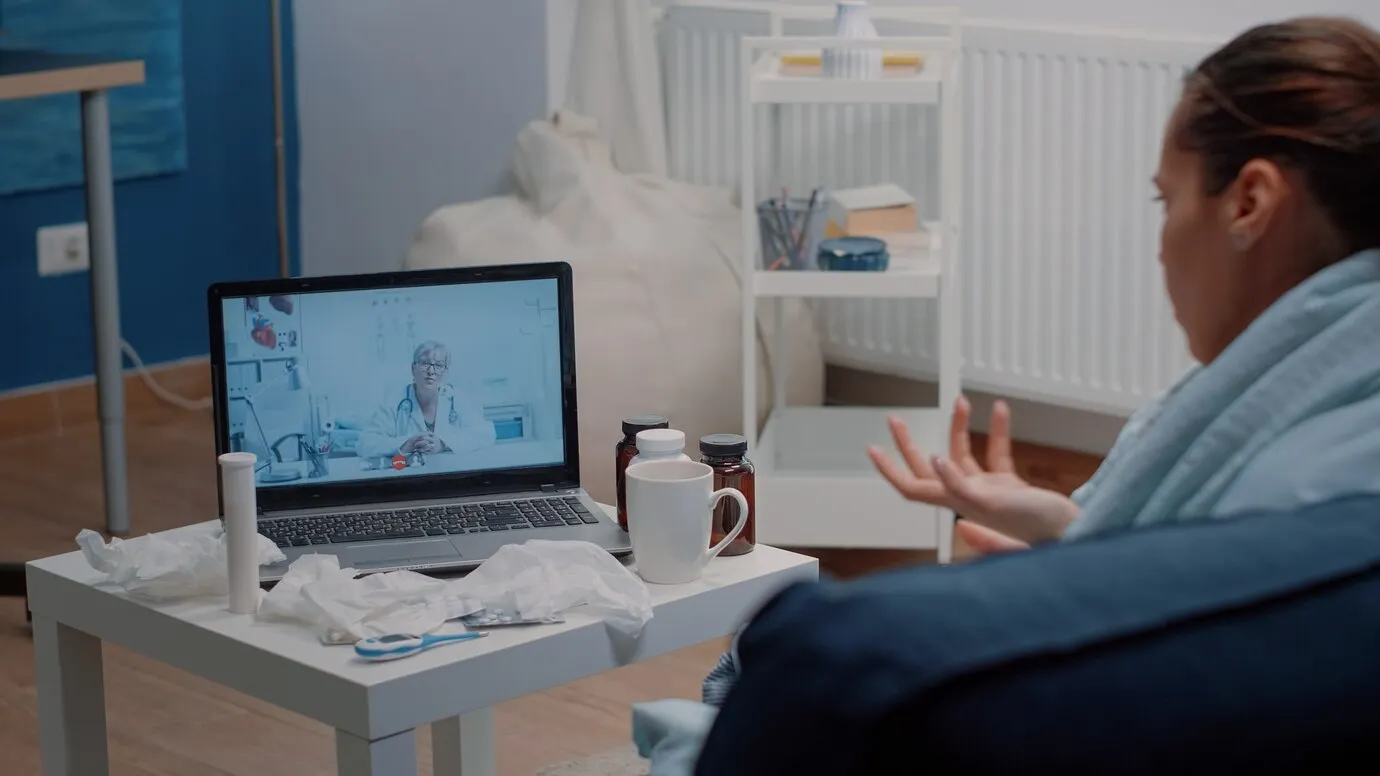
WebRTC for Healthcare Data Sharing
Sharing healthcare data securely is essential for effective treatment. WebRTC facilitates secure data sharing between patients and healthcare providers. During video consultations, patients can share important health information, medical reports, images, scans, so doctors have everything they need to make informed decisions. The encryption built into WebRTC keeps that data safe from unauthorised access.
WebRTC for Collaborative Medical Decision Making
Collaboration among healthcare providers is key to providing the best care. WebRTC enables collaborative medical decision making by allowing multiple healthcare professionals to join the same video call. Doctors, nurses, and specialists can discuss a patient's case, share insights, and make decisions together, even if they are in different locations. This teamwork can lead to more accurate diagnoses and better treatment plans, benefiting the patient.
Easy and Instant Communication
WebRTC helps make communication easy and instant. For healthcare, that means patients can have virtual appointments with their doctors without leaving their homes. It's like having a face-to-face visit, but through a screen, especially helpful for people who live in remote areas or have mobility issues.
Saving Time and Costs
WebRTC saves both time and money. Traditional doctor visits often involve long waits and travel time. With WebRTC, patients can get medical advice quickly from home, saving time and reducing travel costs. For doctors, it means fewer missed appointments and less time spent on administrative tasks.
Better Access to Healthcare
WebRTC makes healthcare more accessible. Patients who live far from hospitals or clinics can still get medical advice and treatment. This matters especially for people in rural or underserved areas where healthcare services might be limited. With WebRTC, more people can receive the care they need, no matter where they live.
Improved Patient Engagement
WebRTC can help patients be more engaged in their own healthcare. Video calls make it easier to ask questions and understand treatment plans. When patients can see and talk to their doctors directly, they often feel more connected and involved, which leads to better outcomes and a more positive experience.
WebRTC in Emergency Services
WebRTC helps emergency medical services through live video calls, secure data sharing, and quick expert advice. It improves teamwork and lets doctors send real-time updates on patient conditions, making communication faster and easier when seconds matter.
Secure and Private Communication
Security is a big deal in healthcare. WebRTC is designed with strong security features to protect patient information. It uses encryption to keep conversations private and secure, so when you're talking to your doctor over WebRTC, your personal health information is safe from prying eyes.
Easy Integration with Existing Systems
Another advantage of WebRTC is that it can easily integrate with existing healthcare systems. Many providers already use electronic health records (EHRs) and other digital tools. WebRTC fits right into these systems, making it easy to add video and audio communication without disrupting current workflows.
Conclusion
WebRTC is changing healthcare for the better by making it easier to talk with doctors and get care. It supports virtual doctor visits, remote patient check-ups, and mental health sessions through simple video calls. It keeps your health information safe and lets doctors collaborate from different places. It speeds up emergency services and saves time and money. Overall, WebRTC makes healthcare more accessible and convenient. For a working example of software built for clinical use, see the DentaSmart case study.
- WebRTC
- Healthcare
- Telemedicine
- Remote Care
- Mental Health
- Patient Care
Related articles
How to Secure Your WebRTC Communications with Encryption: A Detailed Guide
WebRTC powers low-latency video, voice, and data across the browser, but with rising cyber threats, encryption is no longer optional. A walk-through of DTLS, SRTP, key exchange, and practical steps to keep real-time communication safe.
4 min read
How WebRTC Protocols Work Together For Real-Time Communication
Six protocols quietly cooperate every time you make a WebRTC call, finding a path through firewalls, encrypting the stream, and keeping audio and video in sync. A plain-language tour of how ICE, STUN, TURN, SRTP, DTLS, and RTP fit together.
5 min read
AI and WebRTC: The Future of Communication
WebRTC and AI are starting to work together, and the result is a new era of communication that's faster, clearer, and more personal. A look at how the two technologies combine, what they unlock for businesses and consumers, and where they're headed next.
5 min read